

NATO Agrees Landmark Defence Spending Increase as Global Security Challenges Intensify
25 June 2026
NATO member states have agreed to a significant increase in defence spending, marking one of the alliance’s most ambitious commitments since the end of the Cold War as governments seek to respond to an increasingly uncertain global security environment.
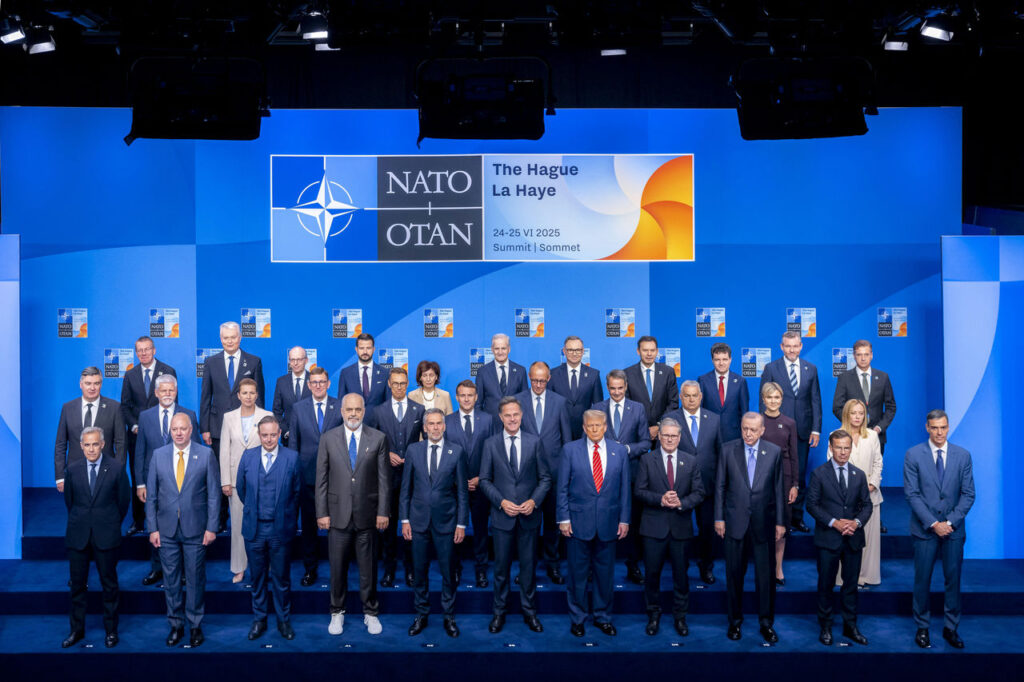
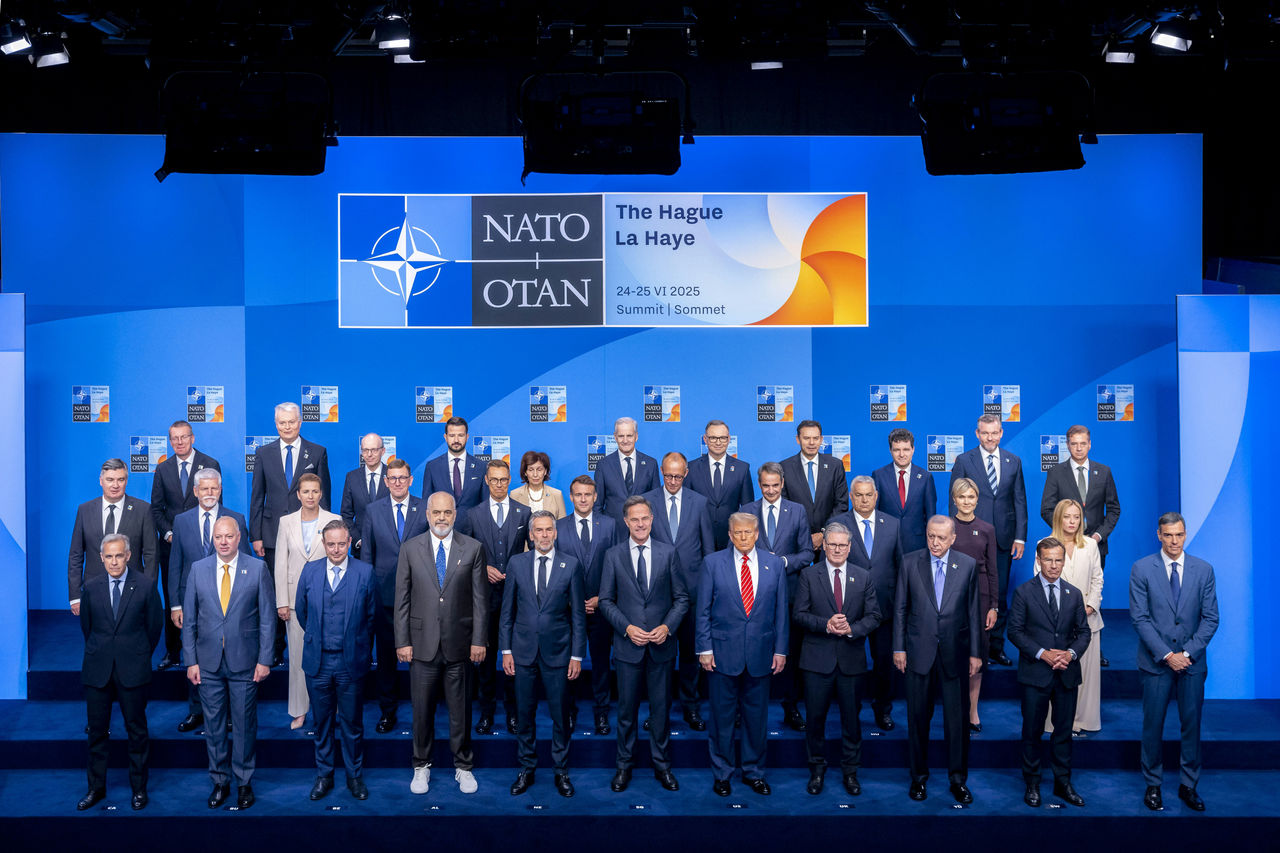
The agreement was reached during the NATO Summit in The Hague on 24–25 June, where leaders from the alliance’s 32 member countries pledged to work towards investing 5% of gross domestic product (GDP) in defence and wider security measures by 2035. The move comes as Russia’s continued war against Ukraine, cyber threats, geopolitical instability and growing international tensions remain at the forefront of security planning.
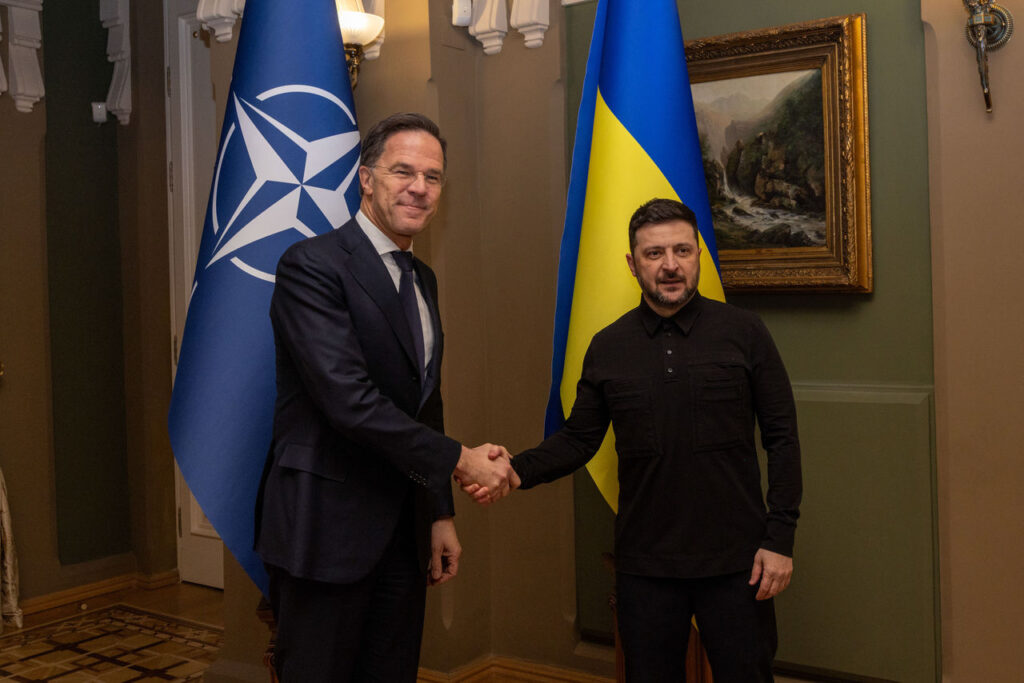
NATO Secretary General Mark Rutte described the agreement as a “historic milestone”, saying allies had recognised the need to strengthen collective defence and ensure the alliance remains capable of responding to future threats.
Under the new commitment, countries aim to spend at least 3.5% of GDP on core military capabilities, including armed forces, equipment, personnel and military readiness. A further 1.5% would be directed towards broader security priorities, including cyber security, intelligence, critical national infrastructure, defence innovation and measures designed to improve national resilience.
The new target represents a substantial increase from NATO’s long-standing benchmark of spending at least 2% of GDP on defence. While many member states have reached or exceeded that figure in recent years, others will need to make significant increases over the next decade to meet the new goal.
For the United Kingdom, the commitment is expected to require billions of pounds in additional investment. The Government has argued that increased defence spending will not only strengthen national security but also provide long-term economic benefits through investment in British manufacturing, engineering, technology and defence industries.
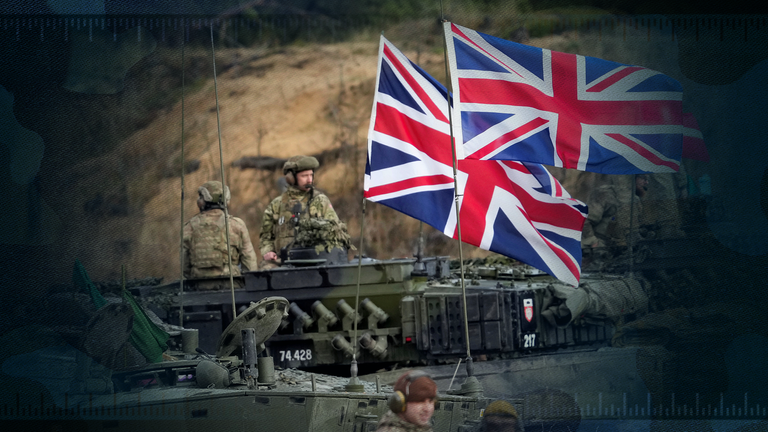
The UK’s defence sector supports hundreds of thousands of jobs across the country, with companies involved in the production of naval vessels, military aircraft, armoured vehicles, cyber security systems and advanced defence technologies. Analysts believe increased government spending could create further opportunities for investment, apprenticeships and highly skilled employment, particularly in regions with established defence manufacturing industries.
Financial markets are also expected to closely monitor how governments intend to fund the increased commitments. While supporters argue that stronger defence investment is essential given current geopolitical risks, economists have warned that higher spending could place additional pressure on public finances at a time when many countries continue to manage high levels of government debt and competing demands on public services.
Political leaders attending the summit also reaffirmed NATO’s long-term support for Ukraine, pledging continued military assistance, training and financial backing. Alliance members said maintaining support for Kyiv remains central to European security and emphasised that the alliance’s increased investment is intended to strengthen deterrence rather than escalate tensions.
The agreement follows several years of rising defence expenditure across Europe, driven largely by Russia’s full-scale invasion of Ukraine in 2022. Since then, many NATO countries have accelerated military modernisation programmes, expanded their armed forces and increased investment in advanced weapons systems, ammunition production and cyber capabilities.
Although all member states endorsed the new ambition, implementation will vary between countries depending on domestic political priorities and economic conditions. Some governments already spend close to the proposed levels, while others face the prospect of substantial increases over the coming years.
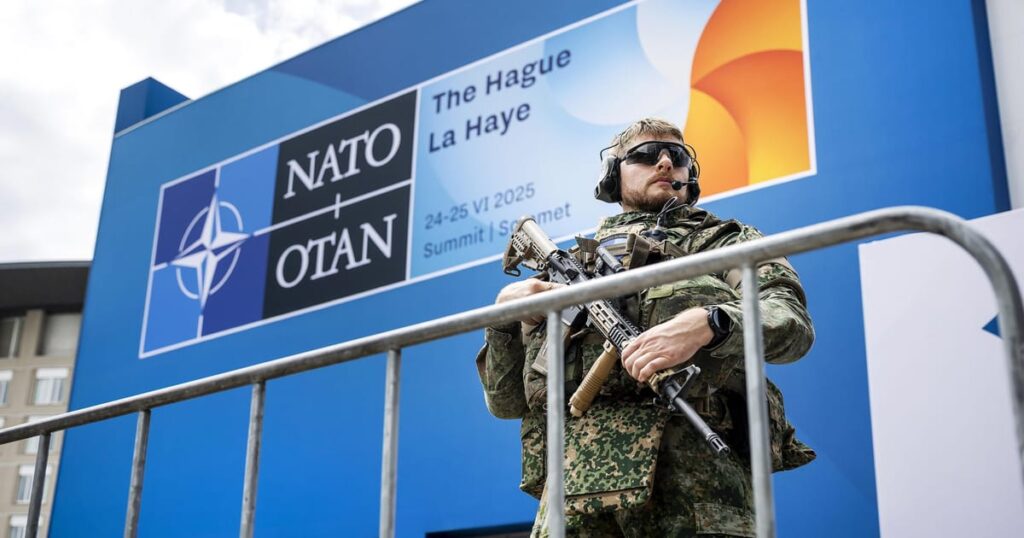
Defence analysts say the summit signals a long-term shift in strategic thinking, with governments increasingly viewing national security as a central economic and political priority rather than a policy area that can be reduced during periods of fiscal pressure.
As NATO members begin incorporating the new commitments into future national budgets, attention will now turn to how governments balance increased defence investment with wider spending priorities, including healthcare, education and infrastructure.
The agreement is widely regarded as one of the most significant policy decisions taken by the alliance in recent years, reflecting a rapidly changing global security landscape and NATO’s determination to strengthen its collective defence for the decade ahead.