

Earlier this morning, Sir Keir Starmer made his resignation announcement outside 10 Downing Street.
Starmer says he is resigning as leader of the Labour Party, and has informed His Majesty King Charles III of his decision. He went on to say how he has asked Labour’s National Executive Committee to set out a timetable for a Labour leadership contest, with nominations opening on the 9th of July 2026.
Nominations will close before the summer parliamentary recess, on July 16th 2026.
In his speech this morning, Sir Keir said he has “heard the answer of my parliamentary party” to the question on whether Starmer is “best placed” to lead Labour into the next general election.
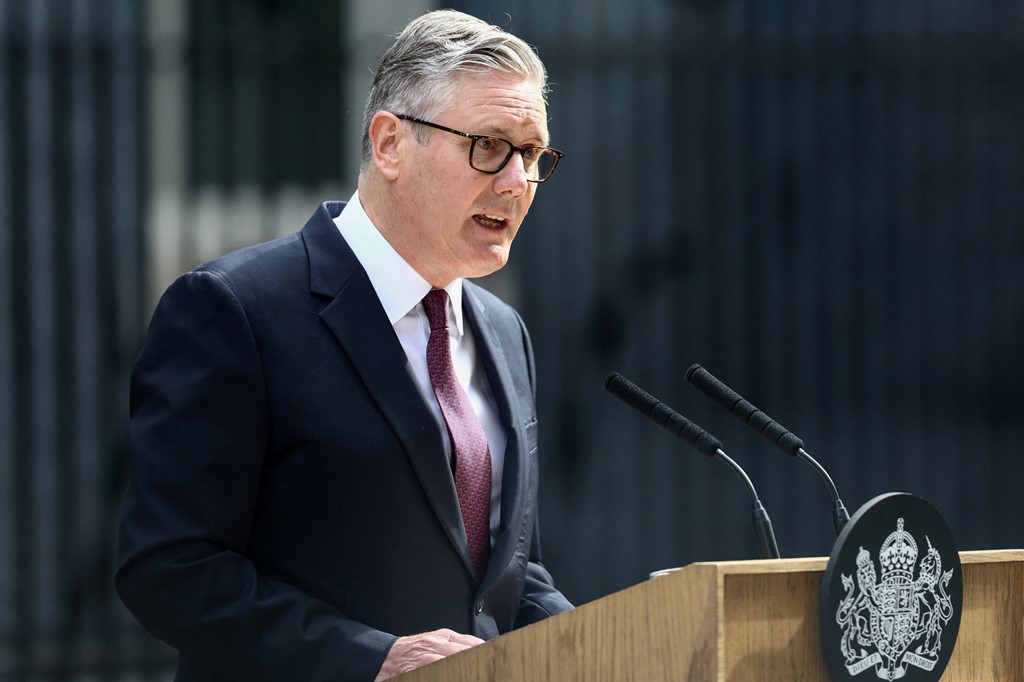
Pictured: Starmer during his resignation speech; Reuters
“I accept that answer with good grace”, said the Prime Minister.
He went on to say he will “remain in post as prime minister until the contest is complete” and that he will “do everything I can to ensure an orderly handover of power”.
Towards the end of his speech, Sir Keir became emotional and thanked his wife, Victoria, whom he describes as his “rock”.
The Prime Minister said: “When I leave the biggest job in the country, I shall spend more time on the most important job, being the best husband I can to my fantastic wife Vic, who has been a rock by my side through good times and bad, and being the best dad I can be to my beautiful children, who are my pride and my joy”.

Starmer, whose voice began to break, also thanked “all of those friends and colleagues who have been at my side for these past six years or so for their incredible commitment, service and support”.
“I want to thank the brilliant No 10 staff and our country’s extraordinary civil service, who dedicate their lives to public service,” he adds.
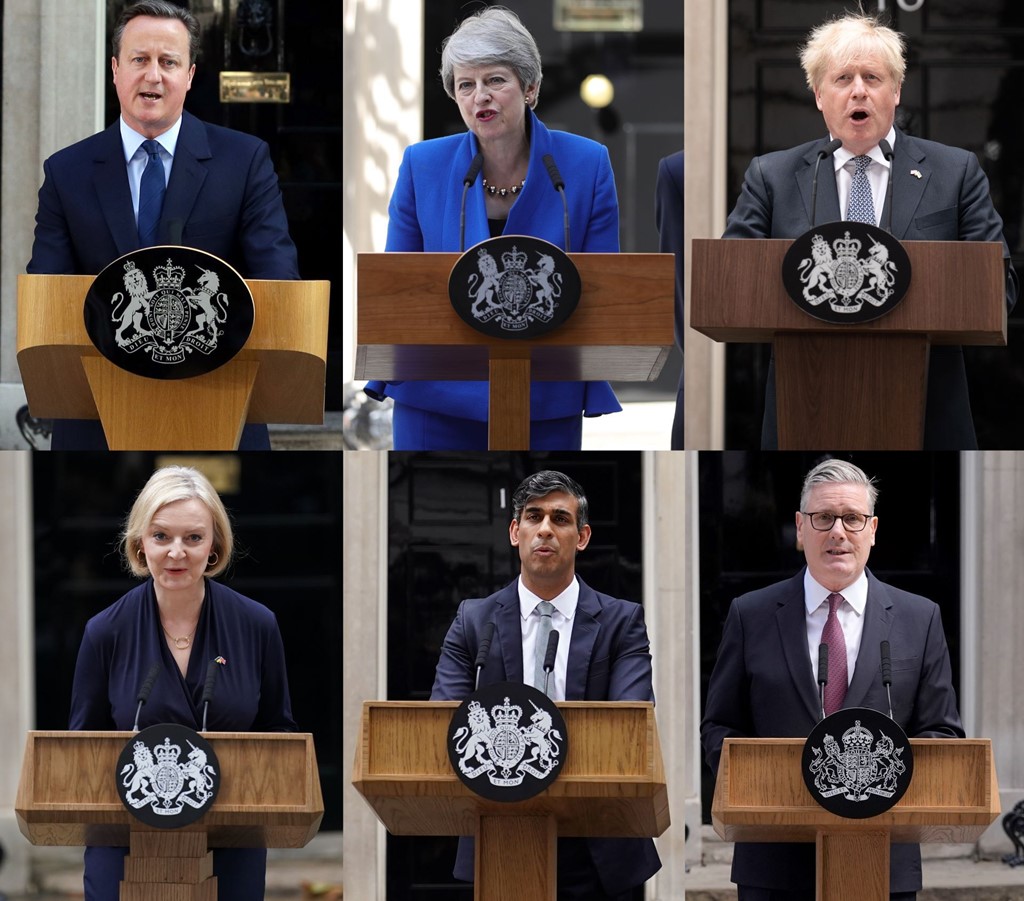
Sir Keir Starmer is the sixth prime minister in just under a decade to resign.
David Cameron resigned as PM 10 years ago this Wednesday, following the vote to leave the EU.
Theresa May resigned in 2019, while Boris Johnson and Liz Truss both resigned in 2022.
Rishi Sunak resigned in 2024, following his party’s loss in the general election, which Starmer’s party won with a landslide majority.
But just under two years later, Starmer is the sixth prime minister to resign in under 10 years.

Andy Burnham arrived in parliament this afternoon and has officiallybeen sworn in as the MP for Makerfield.
Burnham became the MP as soon as he was announced winner in the early hours of Friday morning. But in order to take up his seat in the House of Commons, he needs to go there and swear an oath to the King.
While Burnham has only just become an MP, he could be PM in as little as four weeks.
Nominations for the Labour Party leadership contest open on 9 July and close by 16 July, Sir Keir Starmer said in his resignation speech earlier.
And if no one else stands against Burnham – which is looking increasingly likely – he could be PM a day or two after that.

Sir Keir Starmer will also become the shortest post-war Labour Party leader, serving less time than Gordon Brown, who served from 2007 until 2010.
How have those closest to Sir Keir reacted?


How have party leaders across the UK reacted?

Kemi Badenoch questioned why the UK must wait until later this summer for a new prime minister, arguing that important decisions cannot be delayed. Responding to Sir Keir Starmer’s resignation speech, she criticised the timetable and suggested Labour was focusing on internal politics rather than governing the country.
While stopping short of calling for a general election, Badenoch said any incoming Labour leader must address issues such as energy policy, welfare reform, defence spending and national security. She warned that voters should be given a say if these priorities are not tackled, and denied that her reluctance to demand an election was linked to the rise of Reform UK.

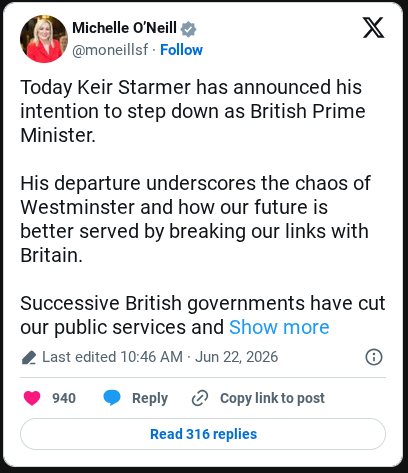
The First Minister of Wales, Rhun ap Iorwerth, published the statement above on X, whilst Sinn Féin leader Michelle O’Neill also published the statement above on X.