



29 June 2026
Craig Williams, a former aide to ex-Prime Minister Rishi Sunak, has pleaded guilty to an election betting offence in a case that has sent shockwaves through Westminster and intensified scrutiny over political conduct in the run-up to the last general election.
Williams admitted the offence during a hearing on Monday, acknowledging involvement in betting activity linked to the timing of a general election while working in a senior political role. The case centres on allegations that confidential or non-public political information may have influenced betting decisions, a potential breach of strict UK gambling and electoral rules.
The guilty plea marks a significant turning point in an investigation led by the Gambling Commission, which has been examining whether individuals with access to sensitive political information placed bets on election timing in advance of public announcements.
Williams previously held roles within Conservative Party operations and worked closely with Rishi Sunak during his time as Prime Minister. His positions placed him in proximity to internal political discussions, including planning and strategic conversations around electoral timing.
While full details of the specific bets were not outlined in open court, the case is understood to form part of a wider inquiry into political betting practices that has already drawn in several individuals connected to Westminster. Investigators are continuing to examine whether any further rules or laws may have been breached by others linked to the same activity.
The Gambling Commission has previously warned that betting markets relating to political events are subject to strict regulations designed to prevent insider knowledge being used for financial gain. Offences involving cheating at gambling or misuse of confidential information can carry serious consequences, including fines and potential criminal sanctions.
Williams’ admission is expected to increase political pressure on the Conservative Party, with opposition figures likely to question how individuals in sensitive roles were able to access and act on privileged information. Calls for tighter oversight of political staff conduct are expected to follow, particularly in relation to gambling activity during election periods.
Within Conservative circles, the case is likely to be treated as highly sensitive, given its proximity to senior party operations during a period of intense political focus ahead of the general election. While there has been no suggestion of wrongdoing by Rishi Sunak himself, the case is expected to prompt questions about internal controls and staff conduct standards at the highest levels of government.
Williams is expected to be sentenced at a later date. Depending on the court’s decision, penalties could include fines or other sanctions relating to gambling offences. Further developments are expected as the broader investigation continues to examine whether others were involved or benefited from similar activity.
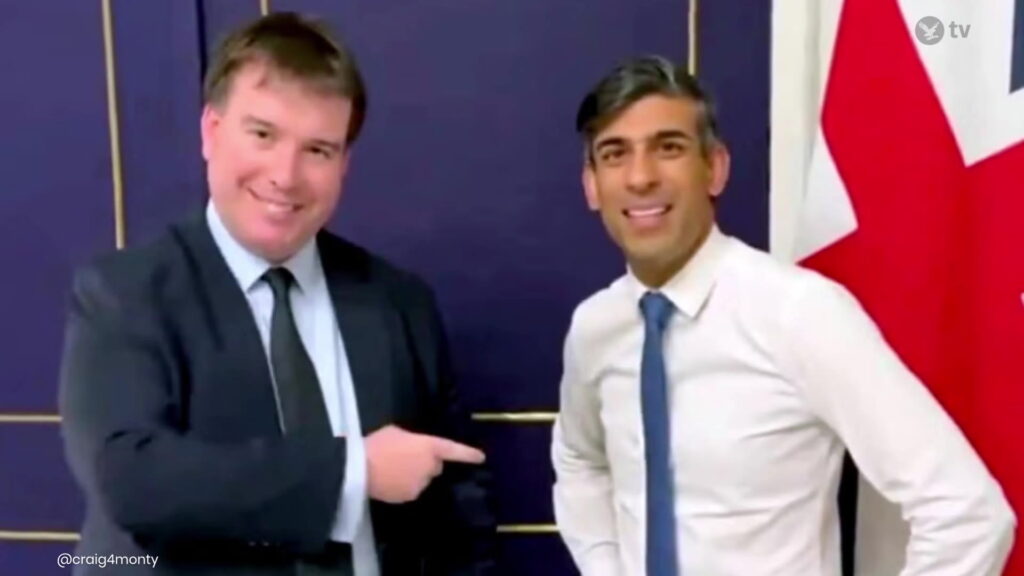
The case adds to growing debate at Westminster over standards in public life and the boundaries between political access, personal conduct and financial activity during sensitive electoral periods.
Authorities are expected to continue their inquiries in the coming weeks, with potential further charges or regulatory action still possible as the investigation develops.
The Gambling Commission opened an investigation into Williams after he admitted placing a £100 bet on the date of the election three days before Mr Sunak announced it to the public. When the scandal first broke, Williams said he had made a “huge error of judgement”.
As part of Mr Sunak’s inner circle, Williams attended a series of planning meetings in Downing Street ahead of the 2024 election.
He entered his guilty plea at a hearing at Southwark Crown Court on Monday.
Williams bet £250, £100 and £22.50 on the election date, prosecutors said.
Prosecutor Zoe Johnson KC said three further cheating charges – which Williams denies – will be dropped when he is sentenced.
She said Williams was “given a privileged position, he was party to a number of meetings in both Downing Street and Conservative headquarters when the date of the general election was discussed”.
“He has now accepted by his plea that he used highly sensitive and confidential information to place bets and to profit,” she said.
Williams was one of 15 charged with cheating related to bets placed on the timing of the 2024 general election, alongside a Welsh Senedd member and a former police officer.
Amy Hind, the wife of Conservative deputy digital director Anthony Hind, also pleaded guilty to cheating on the date of the election. A separate charge against her husband was dropped and the remaining 12 defendants pleaded not guilty.
Hind will be sentenced in October and Williams will not be sentenced until his co-defendants have stood trial.