


BREAKING: Glasgow Hospital Unit Sealed Off After Patient Tested for Suspected Ebola
30 June 2026
Part of one of Scotland’s largest hospitals has been temporarily sealed off after a patient was admitted with a suspected case of Ebola, prompting emergency infection control measures.
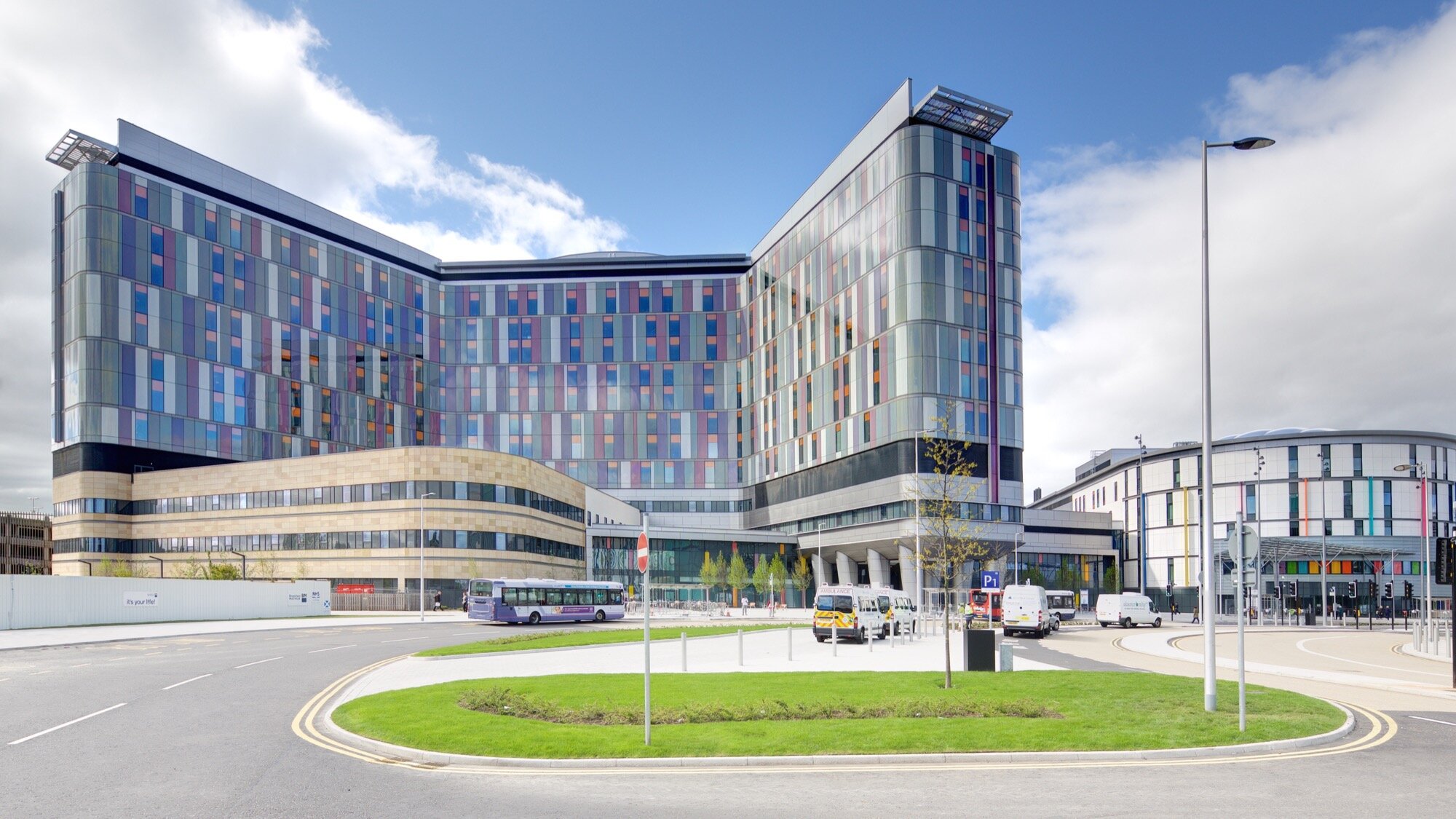
The incident occurred at the Queen Elizabeth University Hospital in Glasgow, where the Acute Receiving Unit was closed to new admissions early on Tuesday morning after the patient, who had recently returned from a country affected by an Ebola outbreak, arrived displaying symptoms consistent with the disease.
The patient has since been isolated while specialist testing is carried out to determine whether they have contracted the virus. At this stage, health officials have stressed that no case of Ebola has been confirmed in Scotland.
Public Health Scotland (PHS) said it is working closely with the UK Health Security Agency (UKHSA) to assess the situation and ensure all appropriate public health measures are in place.
A spokesperson for PHS said the risk to the wider public remains low, adding that the NHS has well-established procedures for identifying, isolating and managing suspected cases of highly infectious diseases.
Officials confirmed that, where necessary, contact tracing will be undertaken and individuals who may have come into close contact with the patient could undergo precautionary assessment and testing.
The temporary closure affected only the hospital’s Acute Receiving Unit, allowing staff to safely assess the patient and prevent unnecessary contact while established infectious disease protocols were implemented. The remainder of the hospital continues to operate.
The incident comes as health authorities continue to monitor an Ebola outbreak affecting parts of Central Africa. Enhanced surveillance measures are already in place across the UK for travellers arriving from affected regions, with organisations sending healthcare workers overseas also participating in monitoring programmes designed to identify potential infections quickly.
Ebola is a rare but serious viral disease spread through direct contact with the blood or bodily fluids of an infected person, or contaminated objects. Unlike respiratory illnesses such as COVID-19, it is not spread through the air. Symptoms can develop between two and 21 days after infection and typically begin with a fever, severe headache, muscle pain and fatigue before potentially progressing to vomiting, diarrhoea and, in severe cases, internal or external bleeding.
If the patient’s tests return positive, it would be the first confirmed Ebola case in Scotland in more than a decade. In 2014, Scottish nurse Pauline Cafferkey contracted the virus while volunteering in Sierra Leone before returning to the UK, where she was successfully treated following several periods of hospital care.
Health officials have urged the public not to be alarmed, emphasising that precautionary isolation of suspected cases is standard NHS practice and forms part of the UK’s long-established response to infectious diseases.
Test results are expected once laboratory analysis has been completed, with Public Health Scotland saying it will provide further updates as more information becomes available.