


King Charles Reveals £12.9 Million Tax Bill as Royal Finances Published in Full
26 June 2026
King Charles III has become the first reigning British monarch to publicly disclose his personal tax bill, as Buckingham Palace released a detailed breakdown of royal finances showing both private contributions and the cost of running the monarchy.
The accounts show the King voluntarily paid £12.9 million in income tax and capital gains tax during 2024–25, continuing the long-standing convention that the Sovereign pays tax on private income even though it is not legally required. Palace officials said the disclosure reflects the King’s desire to modernise the monarchy and increase financial transparency.
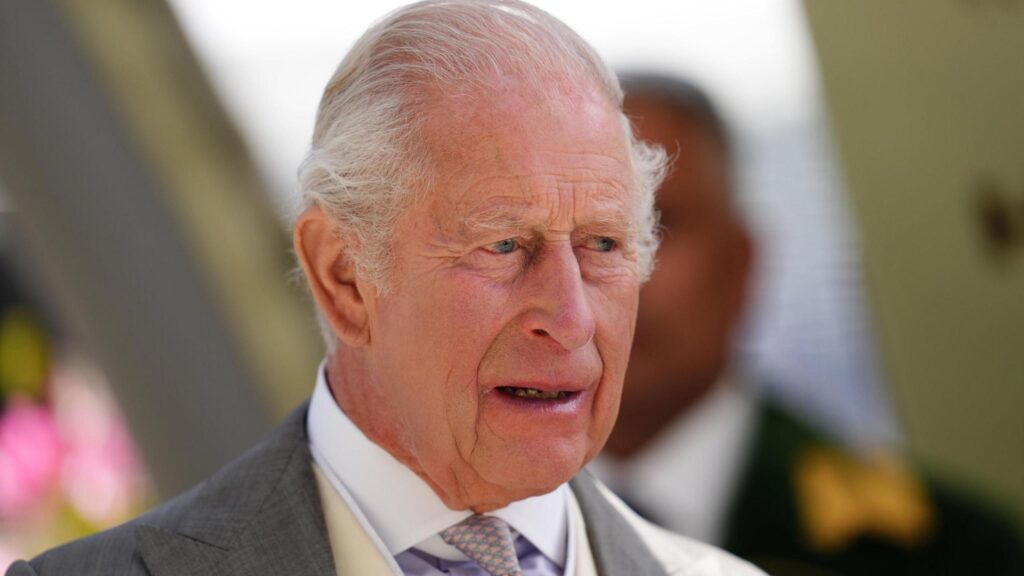
The report also confirms that the King has now paid more than £30 million in personal tax since 2022, while the Prince of Wales, Prince William, paid £7.76 million through the Duchy of Cornwall during the same period.
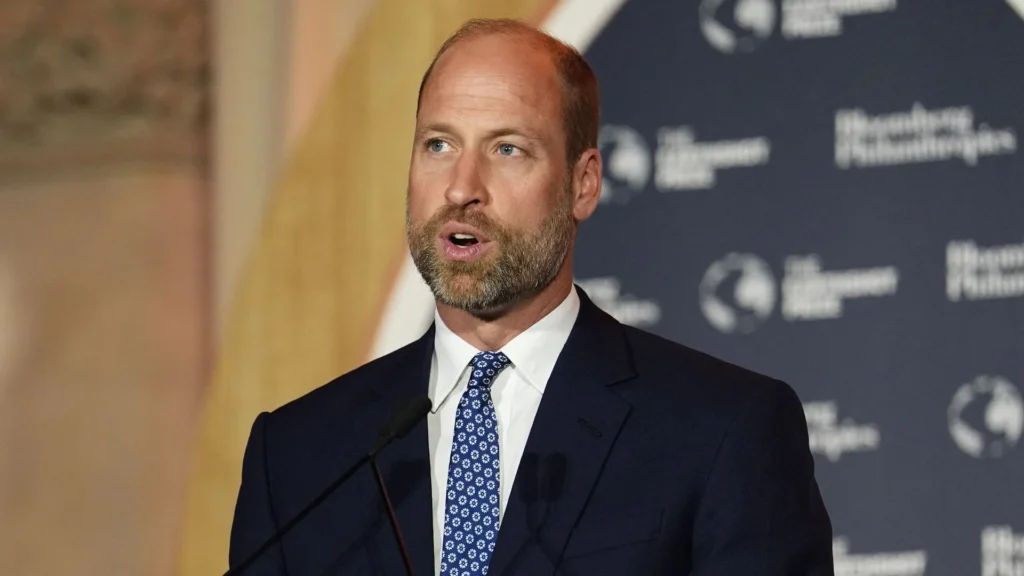
Together, the figures mark the most detailed public insight ever provided into the monarchy’s private tax contributions.
The Cost of the Monarchy
Alongside personal tax disclosures, Buckingham Palace published its annual accounts for the Sovereign Grant, which funds the official duties of the Royal Family.
The total cost of the monarchy rose to £132.1 million in 2025–26, up from £86.3 million the previous year, largely due to major refurbishment works at Buckingham Palace and increased operational activity.
The Sovereign Grant covers official travel, staffing, palace maintenance, ceremonial duties and state events. It does not fund the King’s personal income.
Top 3 Most Expensive Royal Events & Trips (2025–26)
According to the breakdown of official spending, the most costly areas of royal activity over the past year were:
1. Buckingham Palace Refurbishment Programme – ~£67.5 million
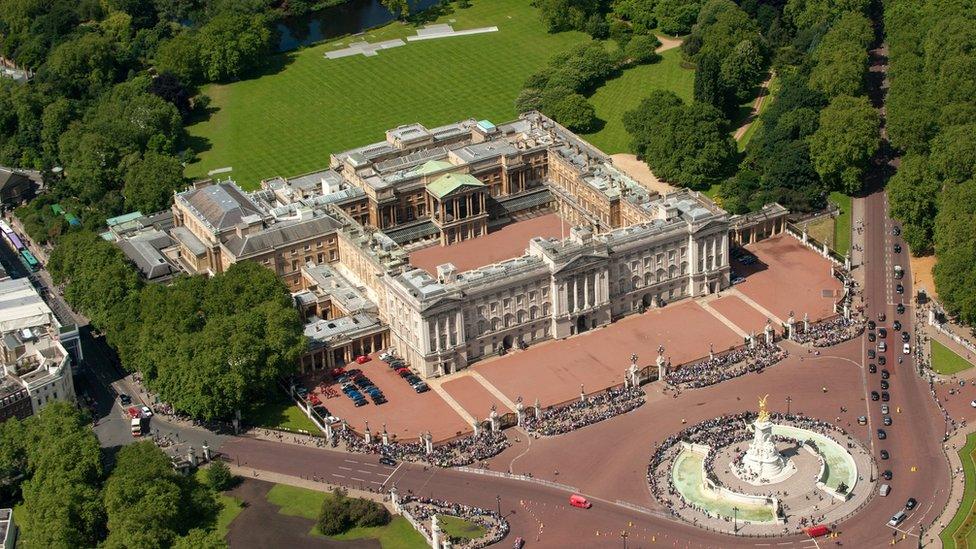
The largest single cost remains the ongoing ten-year refurbishment of Buckingham Palace, including essential electrical, plumbing and structural upgrades. The project is designed to modernise the building while preserving its historic architecture and is expected to continue until the end of the decade.
2. State Visits and Overseas Travel – Estimated £18–22 million
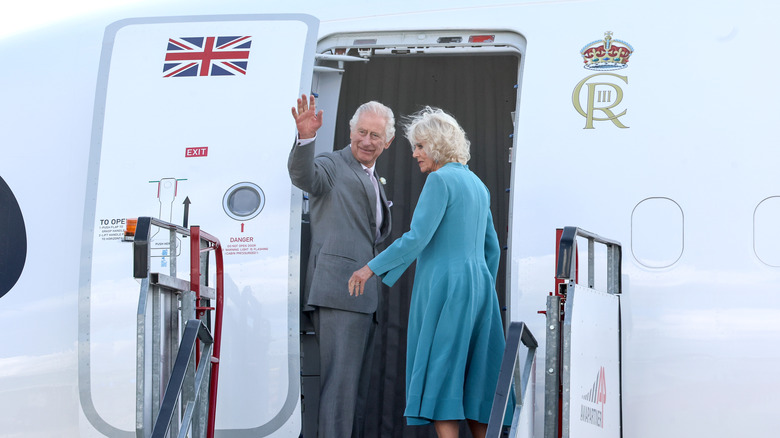
(Photo by Chris Jackson/Getty Images)
International diplomacy remains a major expense, with state visits, official tours and overseas representation accounting for one of the highest annual costs. Trips included engagements across Europe, the Commonwealth and the Middle East, involving aircraft hire, security coordination and support staff.
3. Royal Household Staffing and Official Engagements – ~£14–16 million
Staffing costs for private secretaries, advisers, communications teams, courtiers and operational support form another major expense. This category also includes the organisation of hundreds of official engagements hosted at royal residences and across the UK.
Activity and Engagements
The Royal Household reported a high level of public duty over the past year, including 708 official engagements undertaken by the King and Queen, and a total of 2,273 engagements across all working members of the Royal Family.
Royal residences hosted 827 official events, attended by nearly 97,000 guests, ranging from diplomatic receptions to charity and cultural gatherings.
Future Funding Changes
While the Sovereign Grant has risen sharply this year, the increase is expected to be temporary. Once the Buckingham Palace refurbishment programme is completed, annual funding is forecast to fall to around £99.9 million from 2027, reflecting reduced capital costs.
The Royal Trustees said the funding formula will be adjusted accordingly, ensuring public expenditure more closely reflects the monarchy’s operational needs.
Public Debate
The publication of the King’s tax bill has been welcomed by some as an unprecedented step towards transparency. Supporters argue it strengthens public trust and demonstrates accountability in an institution partly funded by taxpayers.
However, critics continue to question the rising cost of the monarchy, particularly during a period of pressure on public finances and services.
While supporters highlight the monarchy’s role in diplomacy, tourism and national branding, others argue that greater scrutiny is needed over how public money is spent.
The latest report, however, provides the most comprehensive financial picture of the monarchy to date — combining personal tax contributions, public funding and operational costs in a level of detail never previously released.