

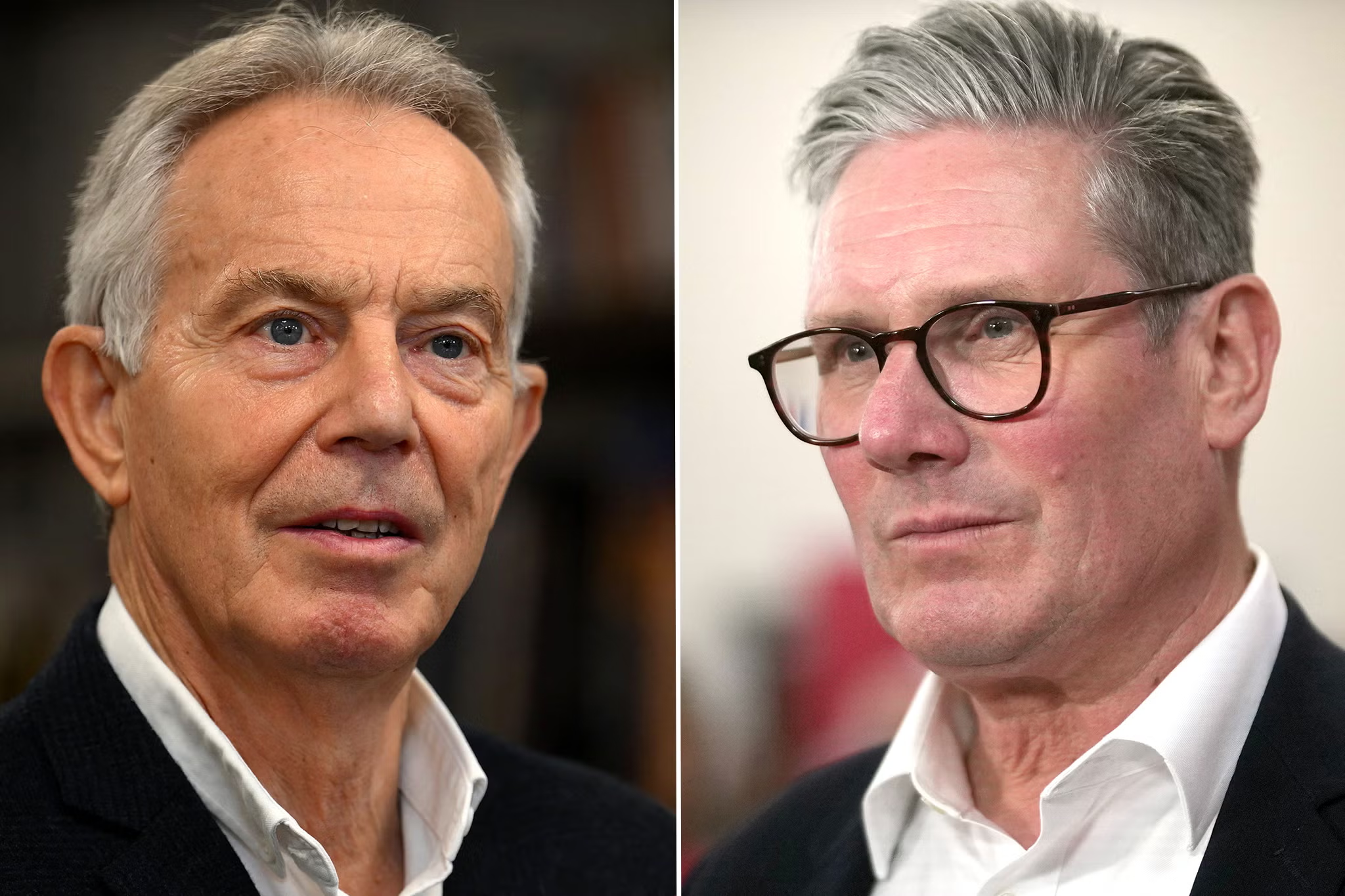
Sir Keir Starmer has defended his government after criticism from former Labour prime minister Sir Tony Blair, who warned Labour risks losing the next election without a clearer plan for change.
Speaking to broadcasters, Starmer said he agreed with Blair that political debate should focus on “policy and ideas”, but rejected much of the criticism aimed at his government.
Starmer argued that Labour has already made progress since taking office in 2024, pointing to policies aimed at:
- Stabilising and growing the economy;
- Investing in public services, particularly the NHS;
- Reducing migration to the UK;
- Rebuilding Britain’s relationship with Europe;
- Maintaining strong ties with the United States.
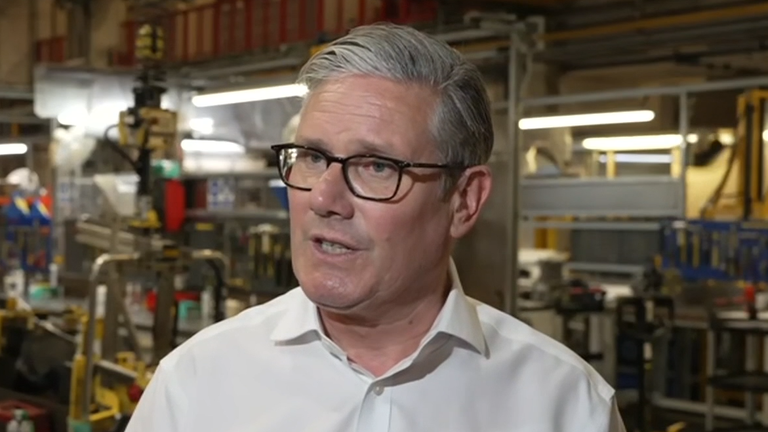
The prime minister said his government inherited a far more difficult situation than Labour faced in 1997 under Blair, and defended the decisions his administration has made so far.
He said: “I don’t agree that the policy choices of this government weren’t the right policy choices given what we inherited.”
Starmer added that the government’s approach is already being “vindicated” by improvements seen since Labour entered office.
Why has Starmer hit back at Tony Blair?
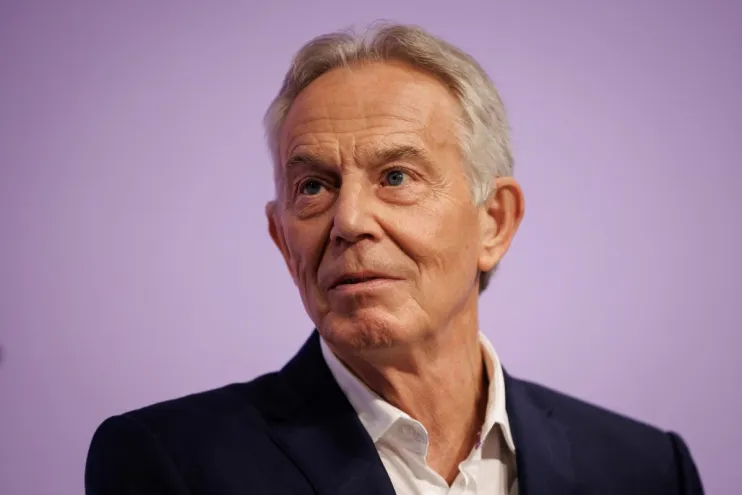
Sir Keir Starmer has responded after Sir Tony Blair accused his government of having no plan and risking losing the next election without change.
Here is what the former Labour PM said yesterday:
- Labour lacks a “coherent plan” and is in “the wrong political position from which we can devise one and win a second term”;
- The party should enact policies including removing obstacles to business growth, cheaper energy and electrification, welfare reform, action on immigration, a reindustrialisation strategy, and a drive on skills and training in the age of AI;
- Labour is governing in its “soft left… comfort zone”, and in the last budget increased “tax to pay for additional welfare spending, when the public already thinks welfare bills are too high”;
- Changes such as new workers’ rights laws, phasing out oil and gas, and raising the minimum wage faster than inflation have given “headwinds not tailwinds to British business”;
- Labour lacks a defining purpose, saying that governments that succeed don’t start with a “political question – how do we ‘save the country’ from Reform? They start with an idea, a project, a governing purpose, an analysis of what is wrong and a plan to put it right”;
- Neither do they succeed when they start with a “personality contest”, and that “trying to force the prime minister out before we know what policy direction we’re bringing in, is not a serious way of conducting ourselves”;
- Europe needs to “wake up” to the “home truths” it is being told by America, and “needs to build economic competitivity and military capability”;
- Rejoining the EU is not the answer to the UK’s problems;
- Labour needs a “reimagined state in which taxes and spending can be lower, productivity higher and government seen as enabling not directing”.